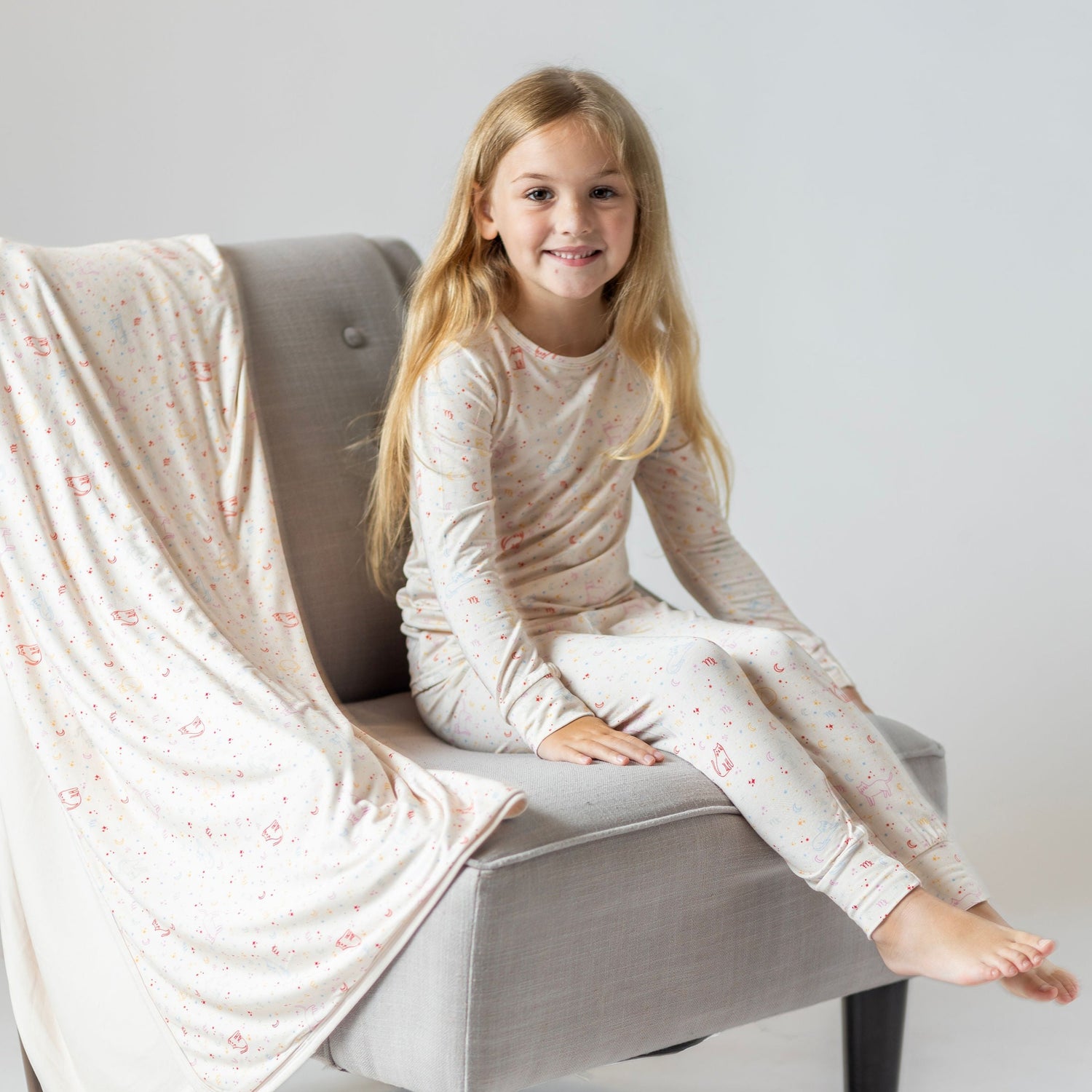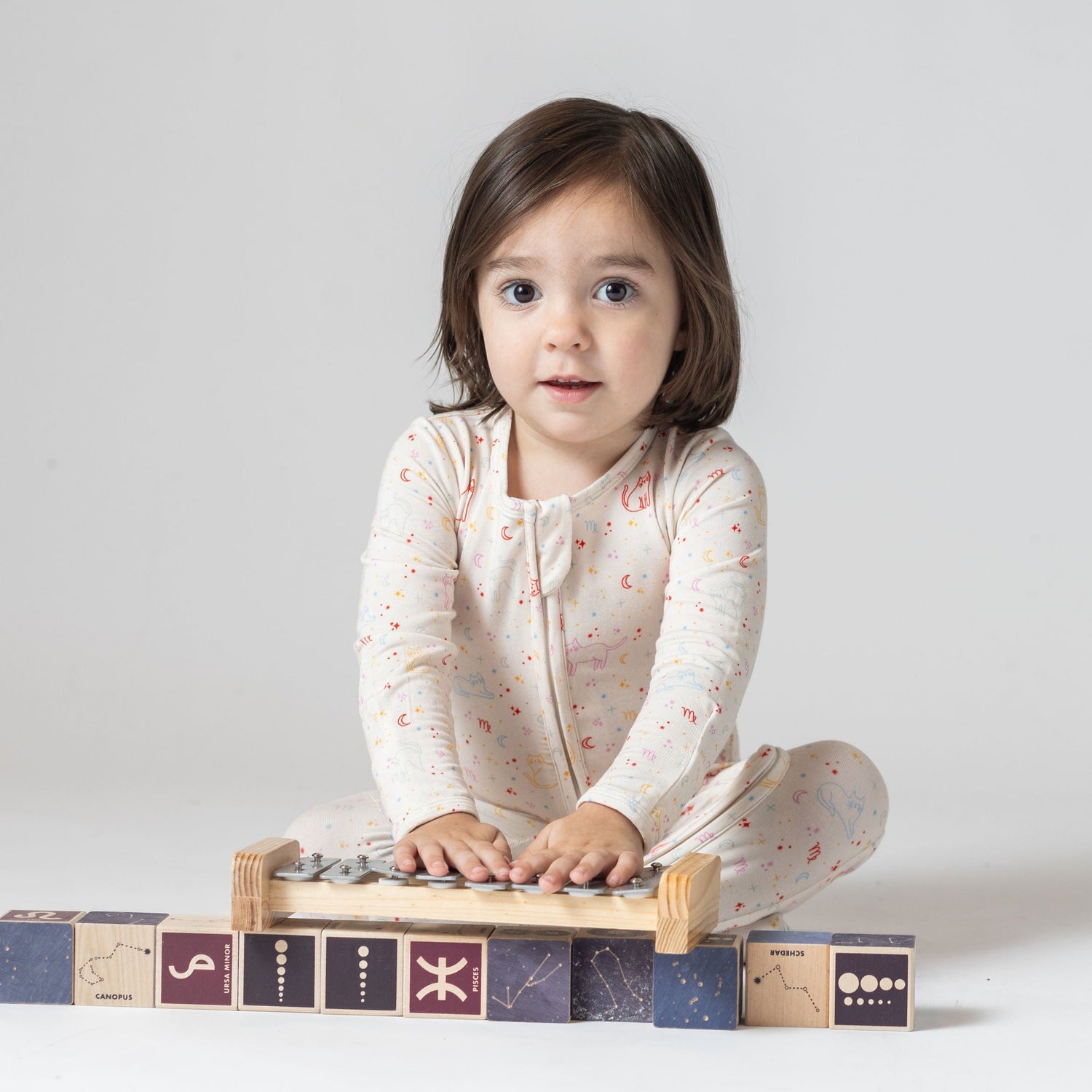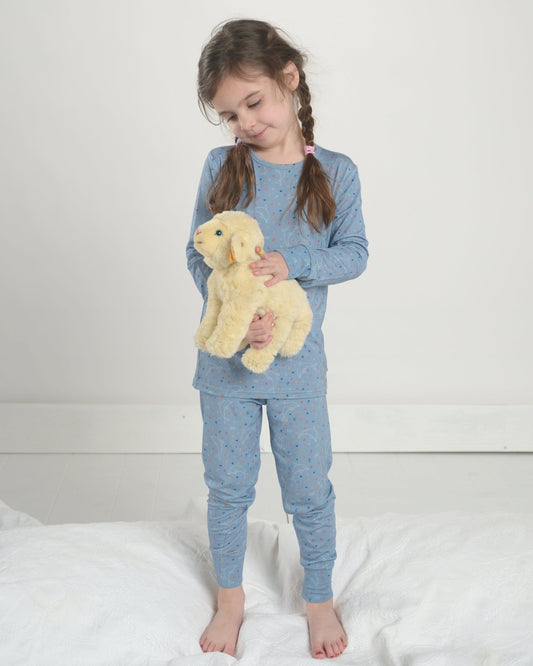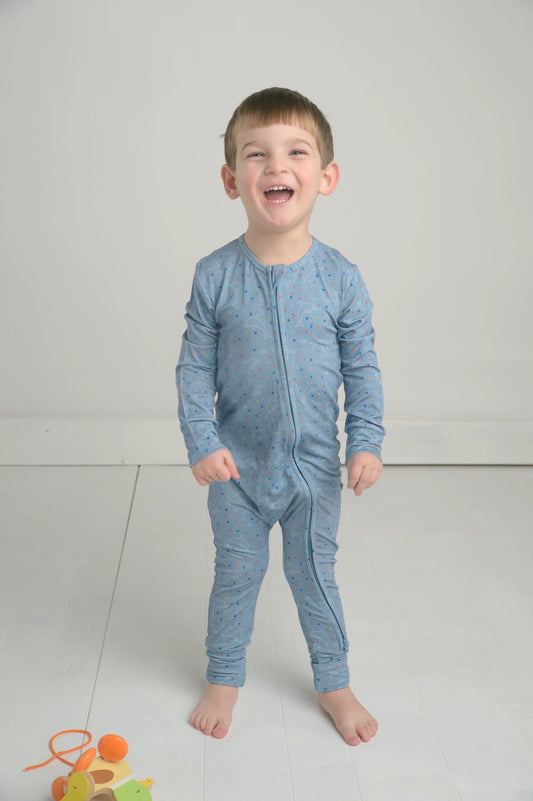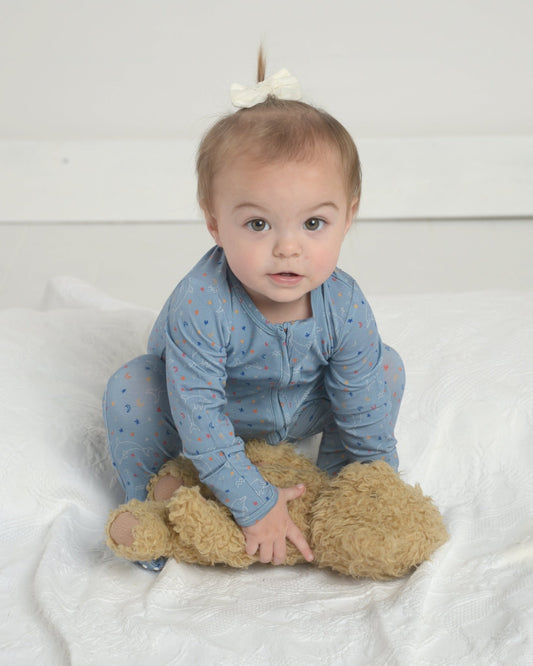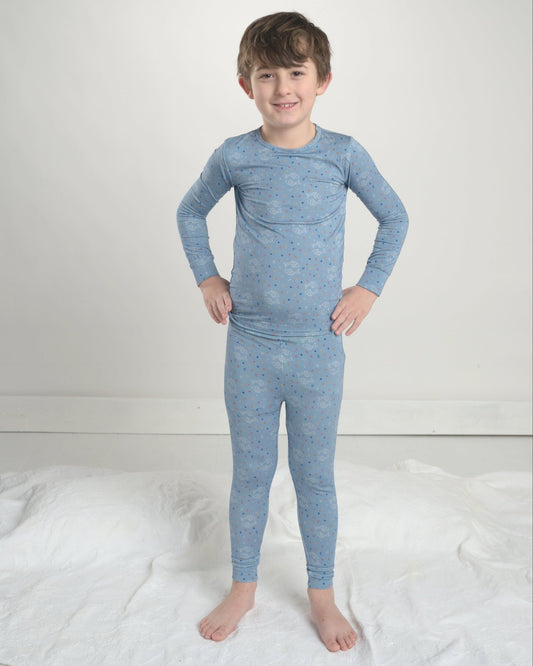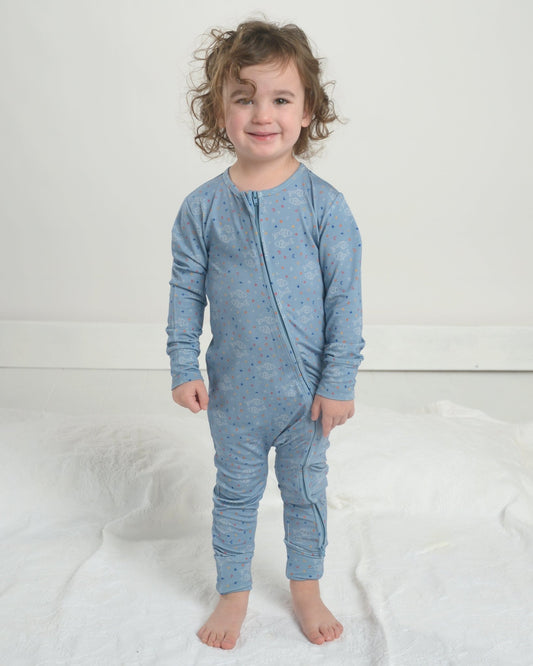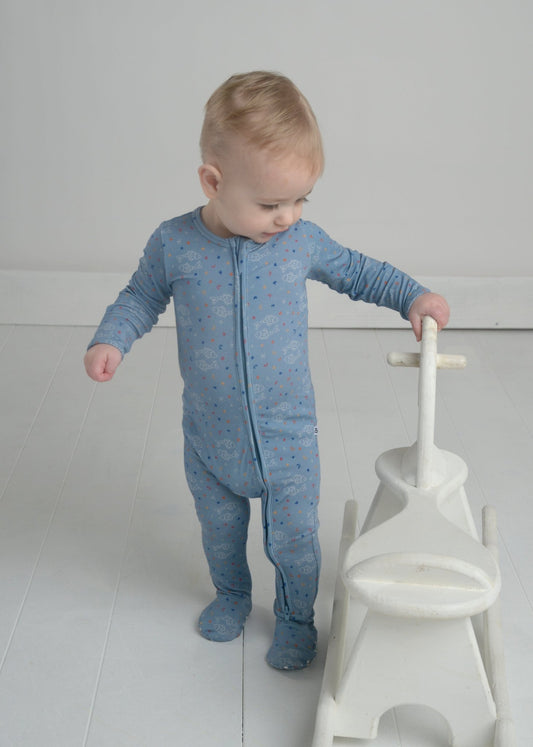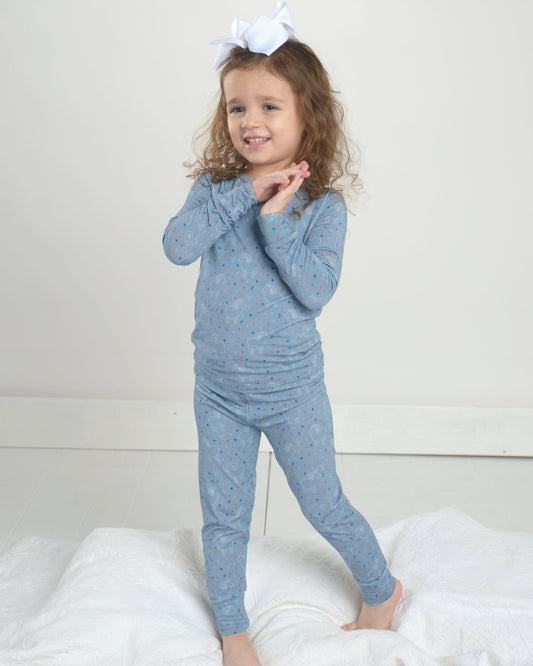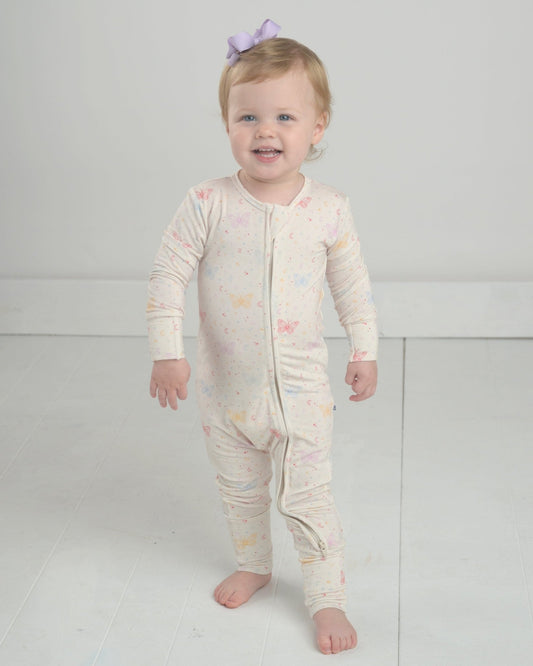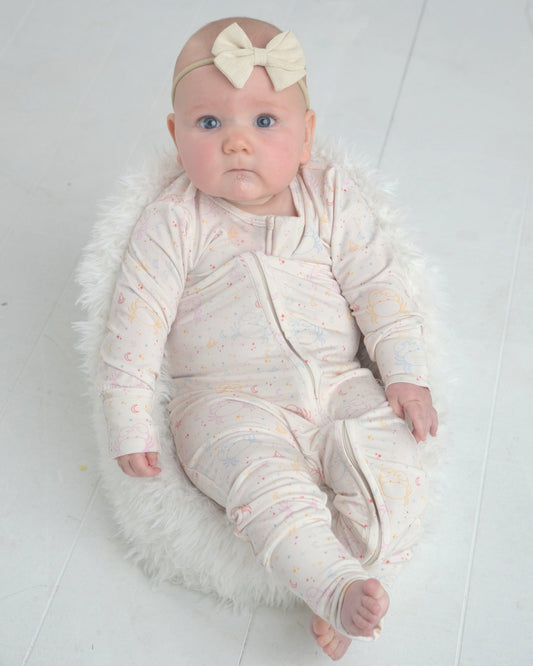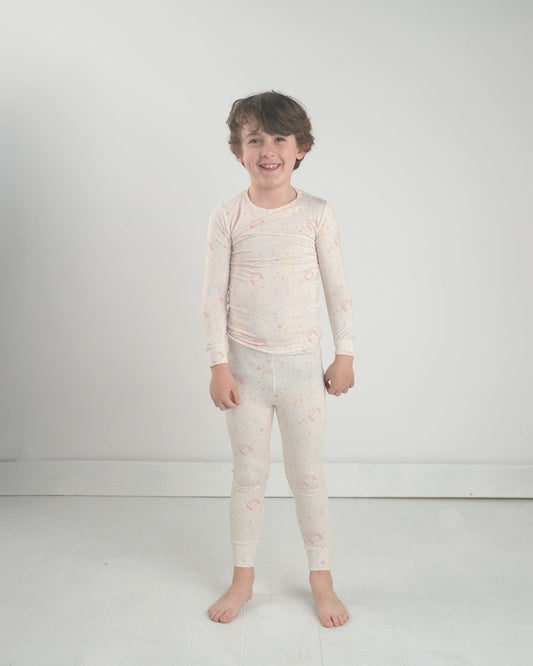



If you have sensitive skin, you already know the struggle: fabrics that feel fine to others can leave you itchy, irritated, or overheated. From harsh dyes to rough fibers, everyday clothing—especially sleepwear—can quietly disrupt your comfort and even your sleep quality. That’s where bamboo pajamas come in.
In recent years, bamboo fabric has gained a loyal following among people with sensitive skin—and for good reason. Let’s break down why this material is becoming a go-to for gentle, skin-friendly sleepwear.
What Makes Skin “Sensitive,” Anyway?
Sensitive skin isn’t just one condition—it’s a spectrum. You might experience:
-
Redness or irritation from certain fabrics
-
Dryness or itchiness, especially at night
-
Reactions to detergents or dyes
-
Conditions like eczema or dermatitis
Because your skin barrier is more reactive, what you wear—particularly for long periods like during sleep—matters more than you might think.
Why Bamboo Fabric Stands Out
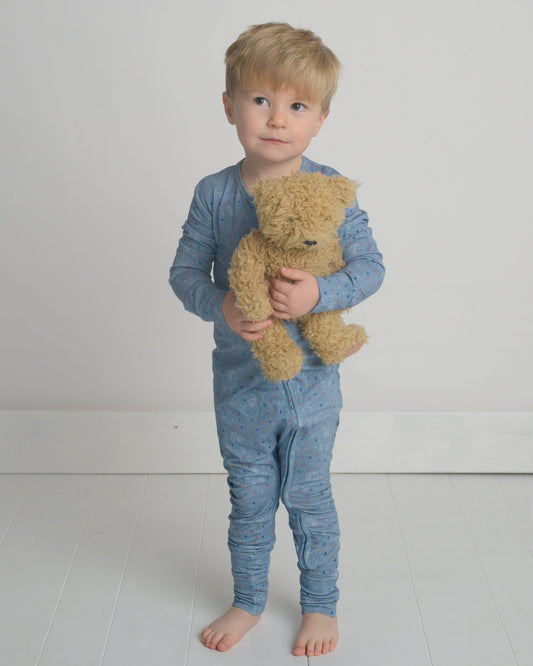
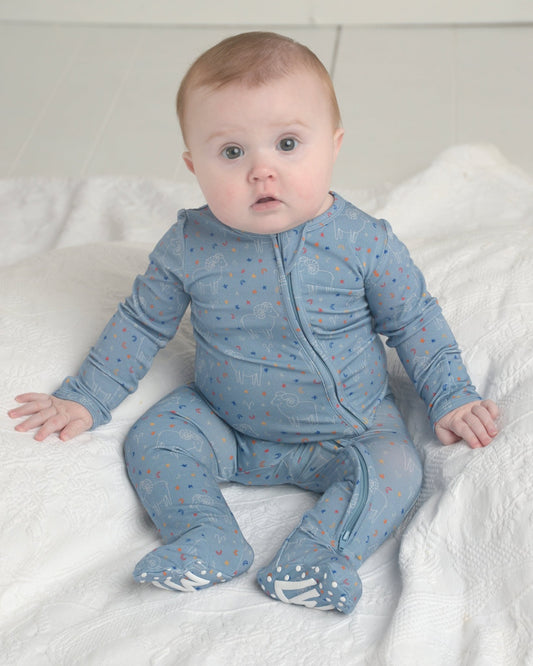
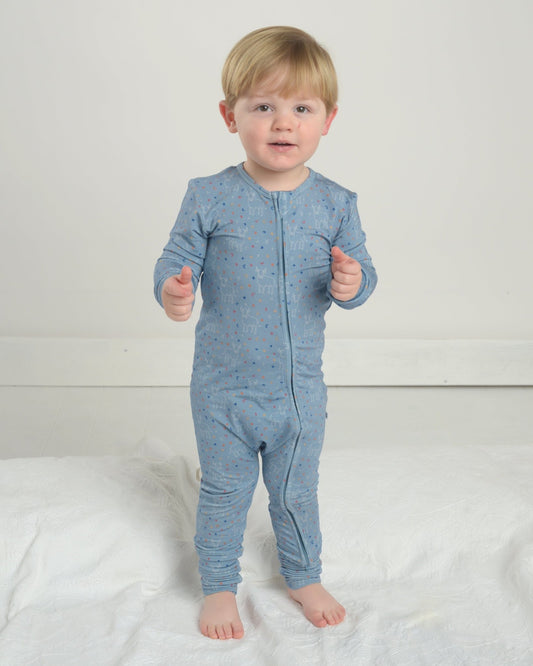
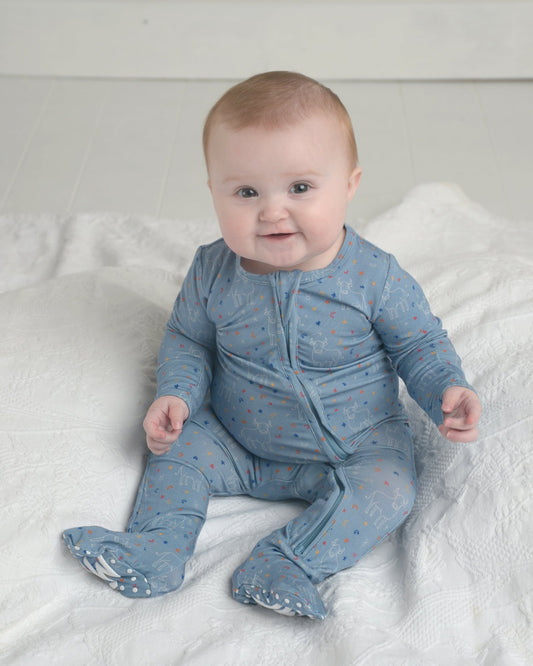
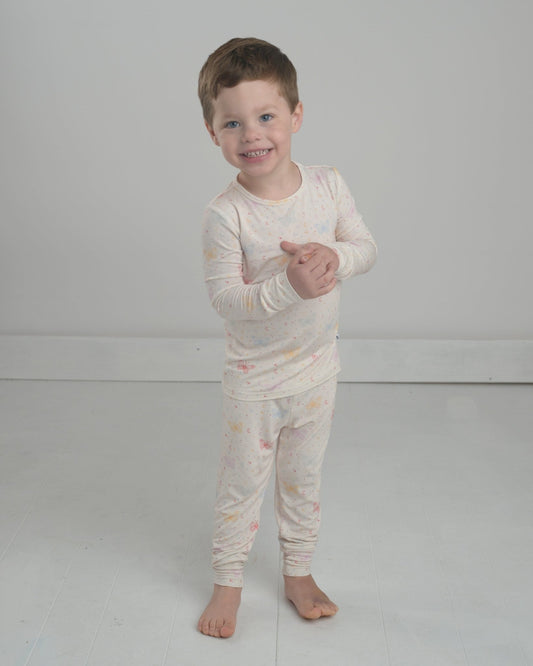
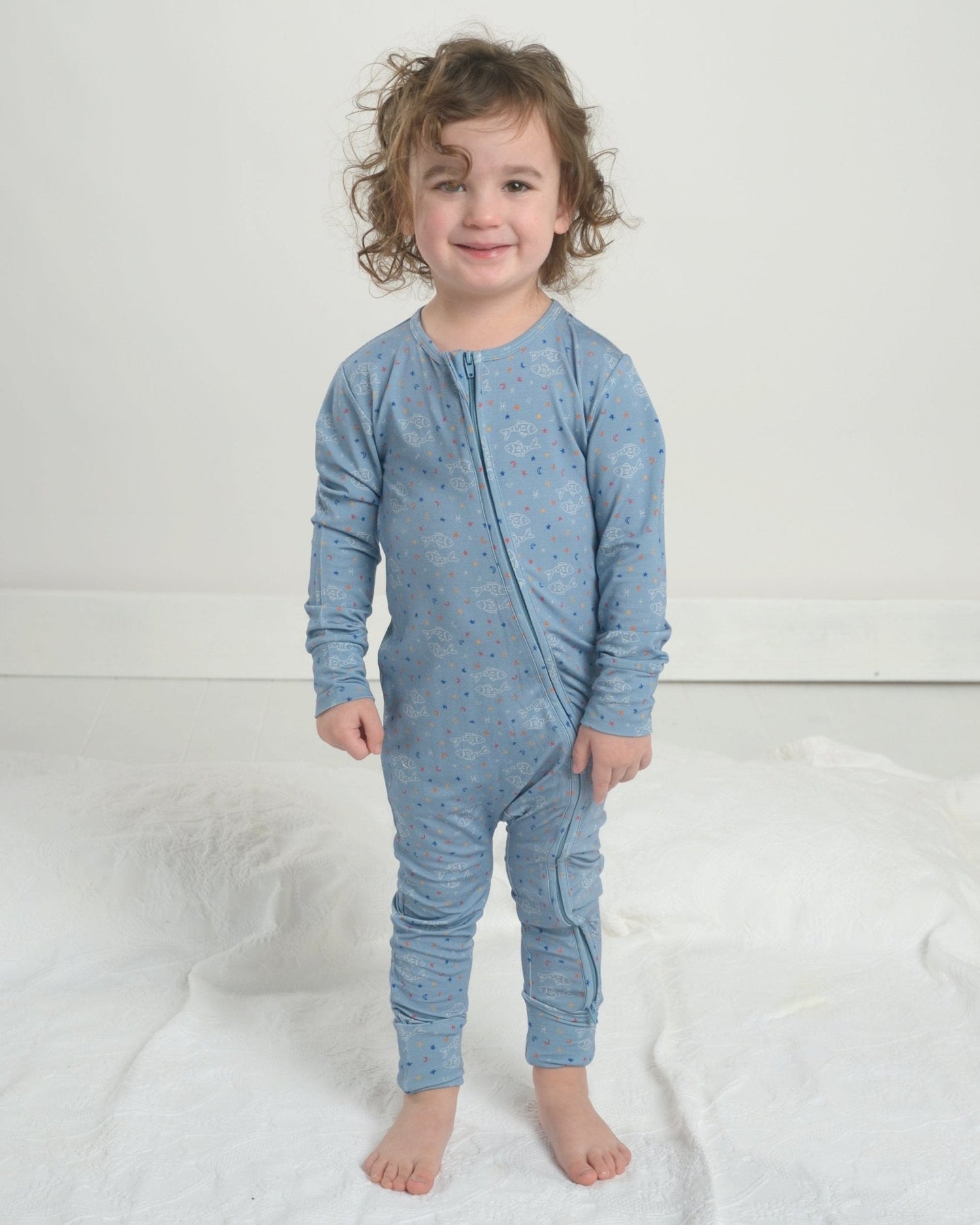
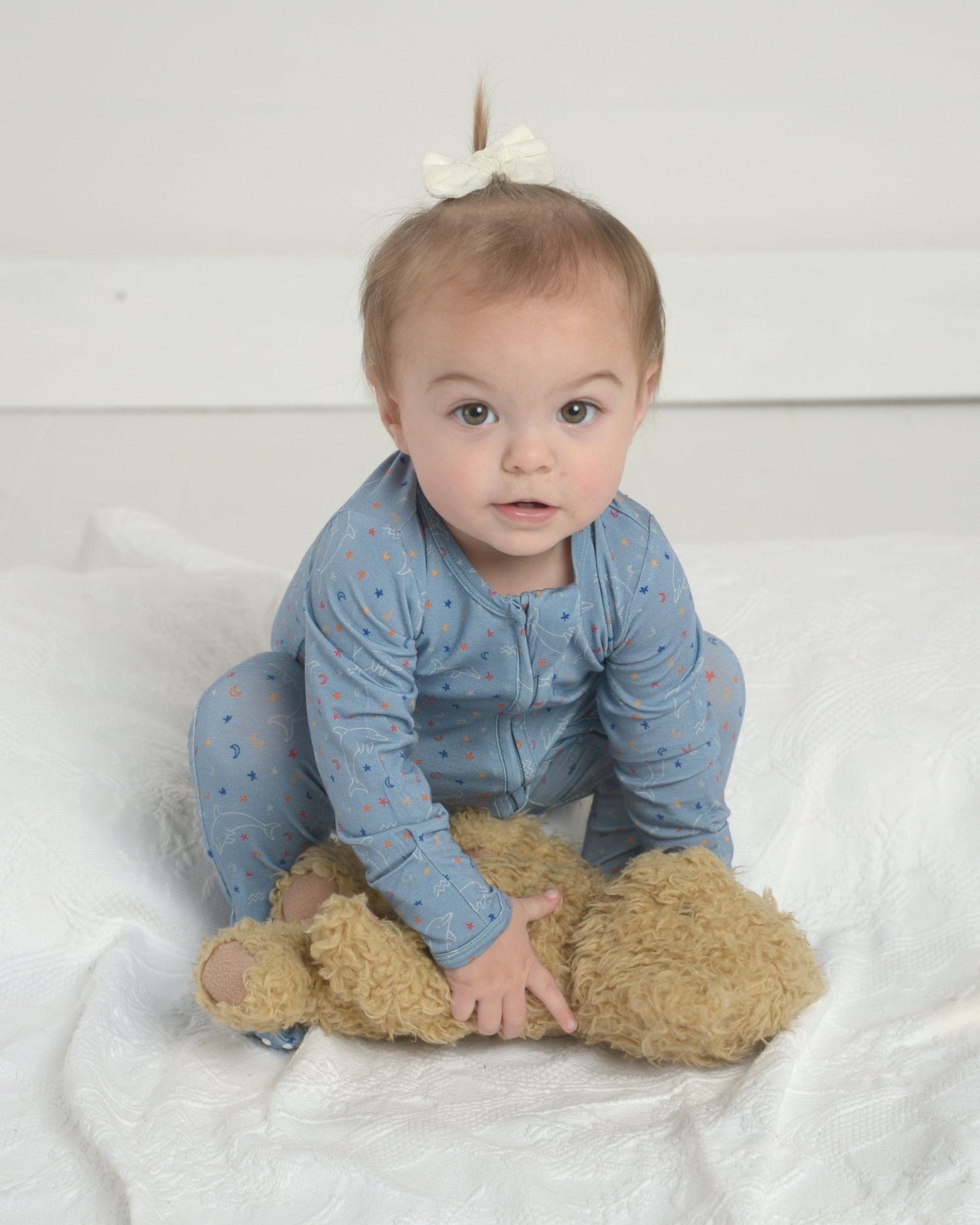
Bamboo pajamas are typically made from bamboo viscose or rayon, a fabric derived from bamboo pulp. While the production process matters (look for high-quality, responsibly made options), the end result is a textile with several skin-loving benefits.
1. Ultra-Soft Texture
Bamboo fabric is famously soft—often compared to silk or cashmere. This smooth texture reduces friction against the skin, which is especially helpful if you’re prone to irritation or flare-ups.
2. Hypoallergenic Properties
Bamboo is naturally less likely to trigger allergic reactions. For those with eczema or sensitive skin conditions, this can make a noticeable difference in daily comfort.
3. Breathability and Temperature Regulation
If you tend to overheat at night, bamboo pajamas help regulate your body temperature. The fabric is highly breathable and wicks moisture away from the skin, keeping you cool and dry.
4. Moisture-Wicking
Sweat can aggravate sensitive skin, leading to itching or breakouts. Bamboo fabric absorbs moisture efficiently and dries quickly, reducing that clammy feeling overnight.
5. Minimal Chemical Residue (When Made Well)
High-quality bamboo sleepwear brands often avoid harsh dyes and finishes. This is key for sensitive skin, which can react to leftover chemicals in poorly processed fabrics.
Bamboo vs. Cotton: Which Is Better?
Cotton is often recommended for sensitive skin—and it’s still a solid choice. But bamboo offers a few advantages:
-
Softer feel right out of the package
-
Better moisture control
-
More effective temperature regulation
That said, organic cotton is still a great alternative if you prefer a more traditional fabric.
What to Look for When Buying Bamboo Pajamas
Not all bamboo pajamas are created equal. If you’re shopping with sensitive skin in mind, keep an eye out for:
-
OEKO-TEX® certification (ensures no harmful substances)
-
Minimal or natural dyes
-
Tagless designs (to avoid irritation)
-
High-quality stitching (prevents rough seams)
The Sleep Factor
Comfortable sleepwear isn’t just about luxury—it directly impacts your sleep quality. When your skin feels calm and irritation-free, your body can fully relax. Many people with sensitive skin report fewer nighttime disturbances after switching to bamboo pajamas.
If you’ve been dealing with nighttime itching, overheating, or general discomfort, your pajamas might be part of the problem. Bamboo sleepwear offers a gentle, breathable, and skin-friendly alternative that supports both comfort and better sleep.
For sensitive skin, small changes can make a big difference—and switching fabrics might be one of the easiest upgrades you can make.